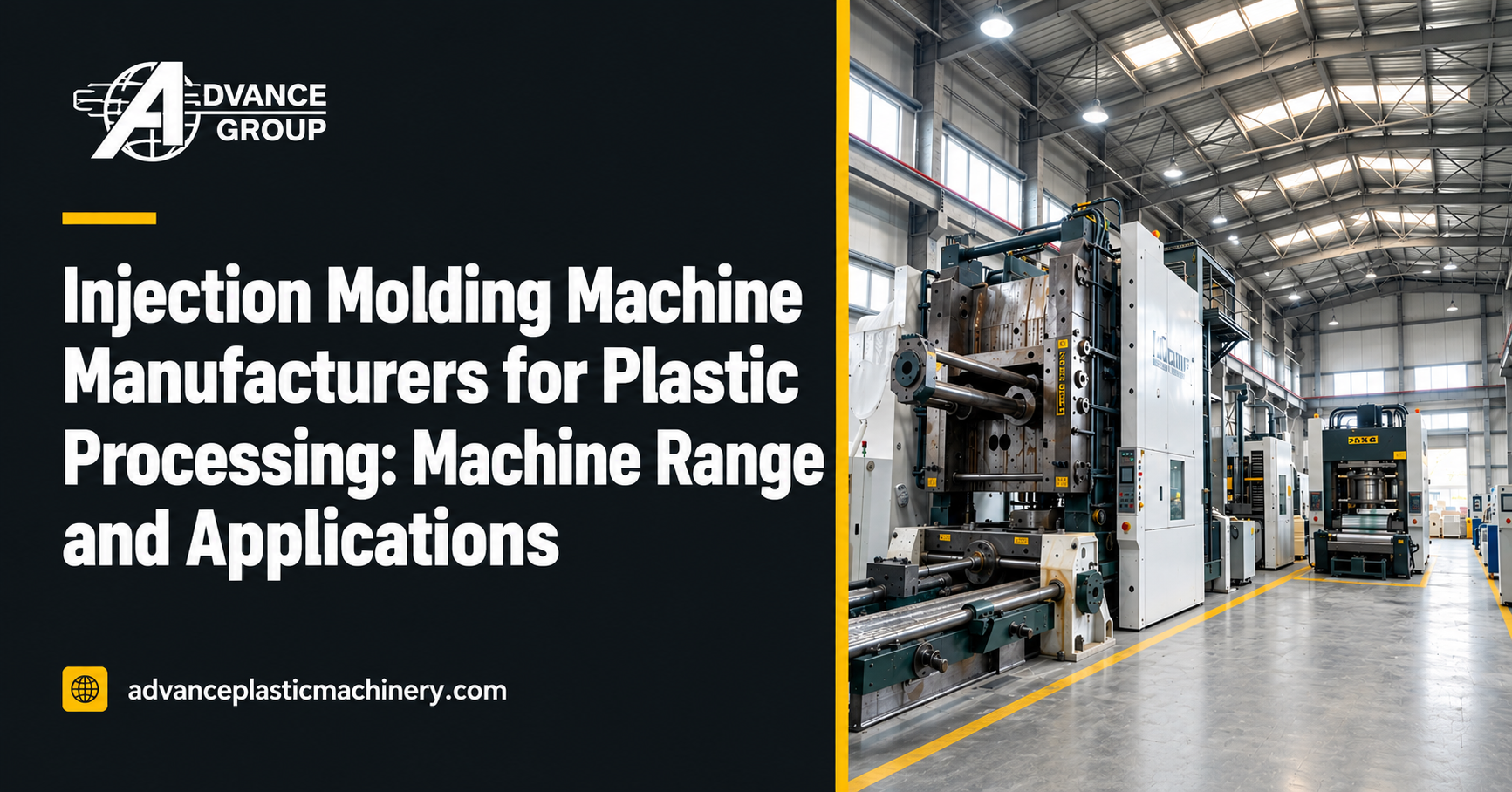
Injection Molding Machine Manufacturers for Plastic Processing: Machine Range and Applications

Injection Molding Machine Manufacturers

Injection molding machine manufacturers build machines for plastic processing that range from compact 7-tonne units to 2,000-tonne giants. 

They come as hydraulic, all-electric and hybrid servo models, and they make everything from bottle caps and syringes to car bumpers and pipe fittings. 

The right choice depends on your clamping force, shot size, material and production volume.

What Do Injection Molding Machine Manufacturers Actually Do?

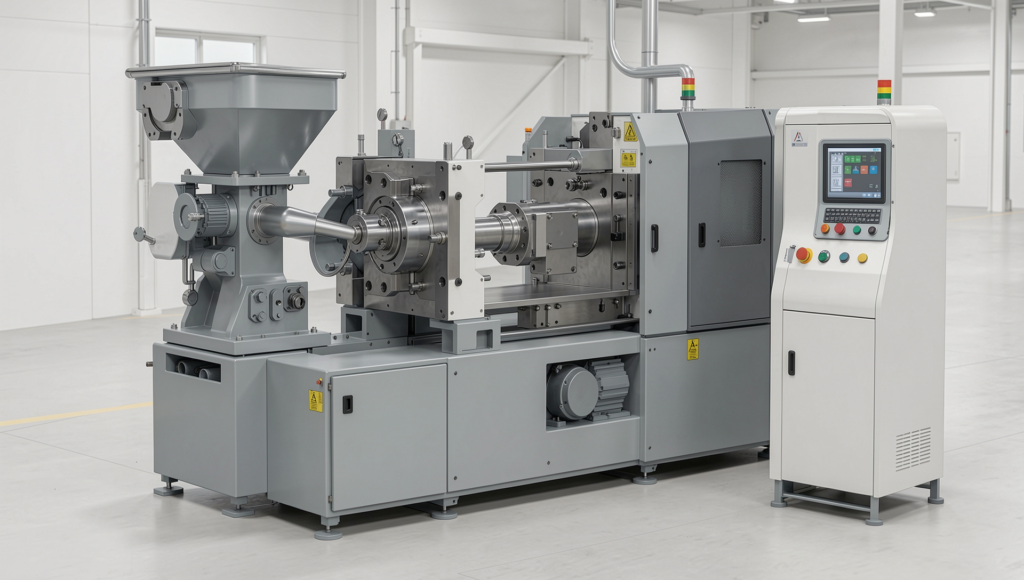
Injection molding machine manufacturers design and build the plastic injection moulding machine itself. That covers the injection unit (screw and barrel), the clamping unit, the hydraulic or servo drive, and the PLC controller. The manufacturer does not make your mould or your plastic parts. It makes the machine that turns thermoplastic granules into those parts.

The 4-step process works like this:

Clamp the mould → Inject melted plastic → Cool the part → Eject it. 

A well-built machine repeats this thousands of times with a steady cycle time and very little part-to-part variation.

Injection Molding Machine Manufacturers

What Types of Injection Molding Machines are Available?

Manufacturers build several designs. Each suits a different job.

        Machine type 

How it works 

Best for

Hydraulic

Oil pressure drives movement. 

Heavy parts, high clamping force, general moulding. 

All-electric 

Servo motors drive every movement. 

Medical, electronics, precision parts, clean rooms. 

Hybrid servo

Servo motor plus hydraulics.

Good balance of energy saving and power.

Horizontal

The mould opens sideways.

Most standard production.

Vertical 

The mould opens up and down. 

Insert moulding, over-moulding, small footprint. 

Something to Consider →

All-electric and hybrid machines generally consume less energy than older hydraulic ones when calculated on long runs.

However, hydraulic machines remain a popular choice due to lower upfront costs and minimal maintenance. 

How Much Tonnage is Needed for a Specific Product?

Tonnage is the clamping force that holds the mould shut during the injection cycle. Too little and you get flash (excess plastic leaking at the mould edges). Too much and you pay for capacity you never use.

The Standard Approach

Based on the resin, you can increase the part’s projected area (in square inches) by 2 to 5 tons and add a safety margin. Don’t forget to confirm with your mould designer or machine supplier.

  Size

Typical clamping force 

Typical products   

Micro/small 

Under 100 tons 

Caps, connectors, small gears, medical parts 

Medium 

100 to 500 tons 

Household goods, containers, appliance parts 

Large 

500 to 1,000 tons

Crates, furniture, automotive interiors 

Extra large 

1,000+ tons 

Bumpers, dashboards, large bins, pallets 

Injection Molding Machine Manufacturers

The 7-Point Checklist: Choose The Right Injection Molding Machine Manufacturer

  1. Match tonnage and shot size to your heaviest mould and part weight.
  2. Check the controller. It should be user-friendly and easy to service locally.
  3. Compare energy use between hydraulic, hybrid and electric options.
  4. Ask about spare parts and how fast they can reach you.
  5. Confirm after-sales service, including installation, training and breakdown support.
  6. Request a live trial with your own mould or material wherever possible.
  7. Review the total cost of ownership, not just the purchase price. Include power, maintenance and downtime.

What Mistakes Should Buyers Avoid?

  • Buying on price alone and ignoring service support
  • Choosing tonnage without checking the mould’s actual dimensions
  • Skipping a trial run
  • Forgetting auxiliary equipment such as hopper dryers, grinders, auto loaders and mould temperature controllers, which directly affect quality and wastage

Where can I find reliable injection moulding machines in India?

Advance Plastic Machinery lists 170+ injection moulding machines ready for delivery, from 7 tons to 2,000 tons, including imported Japanese used machines from brands such as Mitsubishi, Toshiba, JSW, Sumitomo, Niigata and Nissei. It also offers new machines, auxiliaries like hopper dryers, grinders and hybrid servo systems, and finance options.

Conclusion

Choosing among injection moulding machine manufacturers comes down to a few clear decisions: the machine type (hydraulic, electric or hybrid), the right clamping force for your mould, and a partner who stands behind the machine after delivery. A well-matched machine pays back through steady quality, lower energy bills and fewer stoppages.

If you are comparing machines or want a second opinion on tonnage, you can call or WhatsApp their team through the website.

Frequently Asked Questions

Which injection moulding machine brand is best?

Japanese and European makers are known for precision and durability, while Chinese and Indian makers are strong on value and local service. When you shortlist injection moulding machine manufacturers or brands, choose by application, support and budget.

Yes, you can buy a used injection machine if it is well maintained, inspected and test-run before purchase. This can cut upfront costs, especially for start-ups and general-purpose production.

PP, PE, ABS, PVC, PC, PA (nylon) and PET are the common materials used in injection moulding. Some need dried material, which is why hopper dryers matter.

A good machine can run for many years, often decades with regular servicing. Lifespan depends on maintenance, operating hours and usage conditions.

Yes, as long as the mould fits the machine’s platen size, tie-bar spacing, clamping force and shot capacity.

Share:

Facebook
Twitter
LinkedIn
WhatsApp

Popular Posts